THE LEAD STORY
UN Tax Talks Shift Power. OECD Holds the Line.
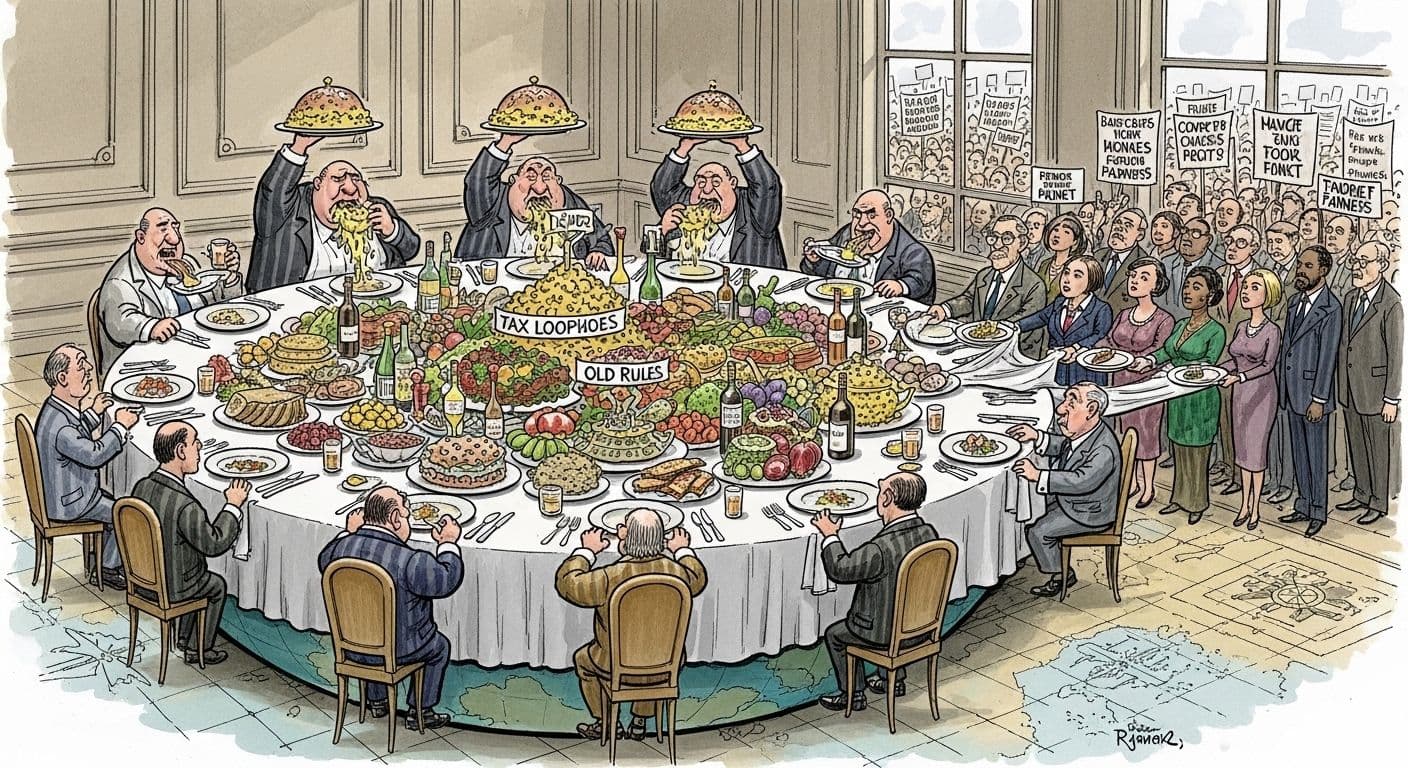
All eyes were on Nairobi last week as diplomats from every corner of the globe opened negotiations on a United Nations treaty for international tax cooperation. For the first time, an African capital, and not Paris, London, or Washington, set the stage, giving poorer nations an equal seat at the table. “Much of the international tax system was designed more than a century ago,” Human Rights Watch notes. Now those same rules are being rewritten in real time.
What sparked the move? Rising anger over unequal tax burdens. HRW traces it back to Kenya’s own 2024 Gen-Z protests, which fought levies on menstrual products and mobile money. The push in Nairobi is clear: an overhaul that puts fairness and human rights at the core of tax law.
While the UN talks gain steam, the OECD is keen to prove it still runs the show. In a press call, the organization dismissed claims that a recent U.S. side deal gutted Pillar Two. The global minimum tax “remains robust,” officials told Law360. Bloomberg Law is less sanguine, calling the supposed U.S. carve-out an “illusion of sovereignty.” Either way, the fight now spans two forums, the UN and the OECD, and neither wants to blink.
Adding a tech twist, Brookings warns that artificial intelligence will upend public finance models. Their advice: tax policy must shift from taxing labor to taxing data and excess profits before the gap widens. For a deeper dive into evolving digital taxation measures, readers can explore insights in the Nigeria Tax Act, 2025.
WHY IT MATTERS
For multinationals, the venue determines the rules. A UN treaty could curb transfer-pricing games that funnel profits to low-tax hubs. For governments, a tighter minimum tax could unlock cash without touching domestic voters. For citizens, the stakes are bread-and-butter: fewer regressive levies on phone payments and food. This dynamic reflects broader shifts in tax policy, as seen in Nigeria joins global data-sharing pact as tax shake-ups ripple across sectors.
AROUND THE TAX WORLD
• WHO turns up the heat. Low duties on booze and sugary drinks are “fueling global health risks,” Vinetur reports. The agency wants steeper taxes, fast.
• Sugary math. Echoing the call, Nutrition Insight says the affordability of sweet drinks is rising in almost every region, even as obesity rates climb.
• Digital-age blueprint. Brookings lays out a public-finance framework for the AI era, urging governments to “tax what tech can’t evade”, data monopolies and super-normal returns.
• Carve-out controversy. Bloomberg Law argues the U.S. deal merely delays, not dodges, the 15% floor, leaving firms exposed once the grace period ends.
BY THE NUMBERS
Tax Stat of the Day: 100+ years, that’s how long the core cross-border rules, first drafted in the 1920s, have stayed on the books, Human Rights Watch reminds us.
LOOKING AHEAD
All eyes are on two tracks. All eyes are on two visions. If the UN lands a treaty, power shifts south. If the OECD holds serve, Pillar Two rules the field. Either way, the tax world won’t look the same in 2026. For further insights into tax reforms and regulatory evolution, readers can also review developments in Nigerian Tax Laws 2025 - Comprehensive Tax Reform Legislation.