Lead Story
OECD Gives U.S. Multinationals a Pass,Others Still Pay
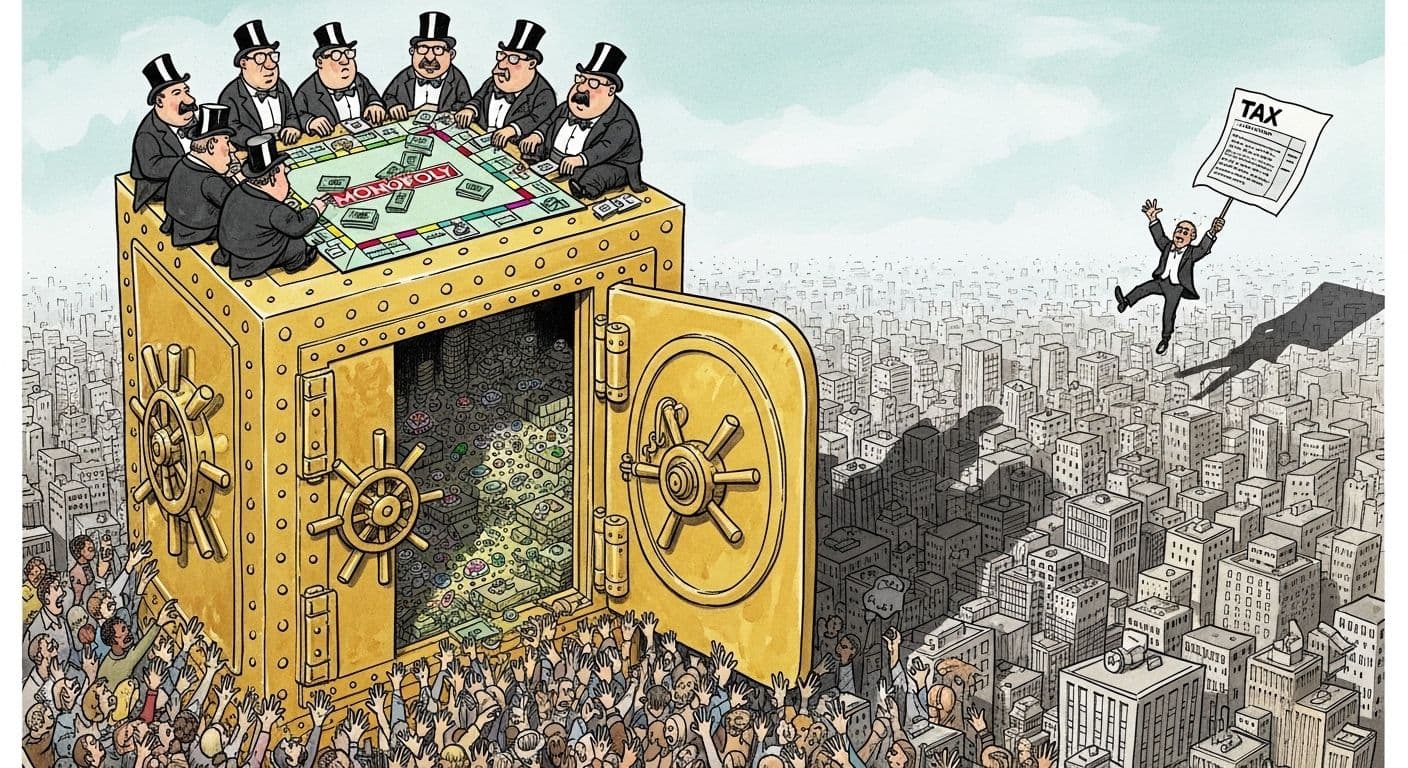
The global 15 percent minimum tax was meant to end profit-shifting games. Instead, it just sparked a fresh one. On Monday, the Organization for Economic Co-operation and Development (OECD) announced a tweak that spares U.S.-based companies from paying top-up tax abroad, even if they book profits in low-tax havens, AOL reports.
Treasury Secretary Scott Bessent called the deal “a historic victory,” saying it “protects U.S. sovereignty.” OECD chief Mathias Cormann praised the pact for cutting red tape.
In plain terms: Washington keeps control over how it taxes its giants, while other countries must swallow the 15 percent floor.
Critics warn the carve-out pokes a hole in a rule barely dry. Jay Timmons of the National Association of Manufacturers cheered the move, but EU officials muttered that the exemption could tilt the field,again.
Why It Matters
- Compliance math changes. Tax teams betting on identical rules worldwide now face a split code with varying international approaches explained in our Introduction To Nigerian Tax Laws.
- Incentive wars return. With U.S. credits untouched, expect more R&D dollars to stay stateside.
- Pressure builds elsewhere. Brussels may answer with harsher digital or carbon levies. The fight just moved fronts.
Around the Tax World
• Billionaires’ boom: The world’s richest added $2.5 trillion in 2025, stoking Oxfam’s call for fresh wealth taxes, Law360 says.
• High-seas CO₂ fee: Greece and Saudi Arabia filed a joint plan for an IMO carbon tax on shipping. Brussels urged “unity,” Shipping Telegraph notes.
• Pacific pact: Fiji joined the Global Forum on Transparency and Exchange of Information, tightening the net around offshore cash, according to the Fiji Sun.
• India’s wish list: With Budget 2026 looming, analysts wonder if New Delhi will sweeten its new income-tax regime, the Times of India reports (link).
By the Numbers
Prime Number: $2.5 trillion,the wealth added by global billionaires last year, per Oxfam. One more reason the tax debate burns hot.
Looking Ahead
All eyes are on carbon. All eyes are on wealth. All eyes are on what Brussels and Beijing do next, offering insights that resonate with sweeping domestic reforms such as those detailed in our Nigerian Tax Laws 2025.