The Lead Story
Carve-Outs, Compromise, and a 15% Floor
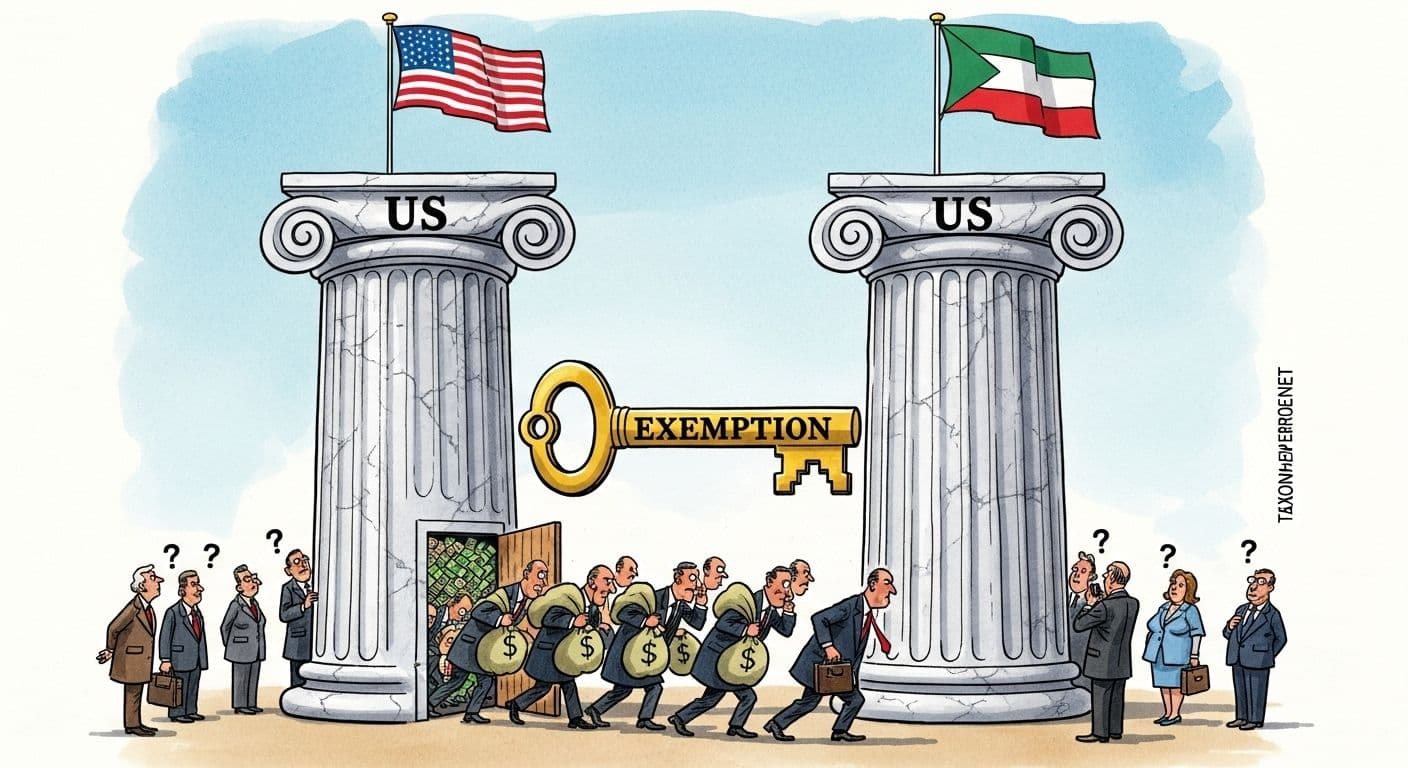
More than 145 countries have signed off on a fresh package to keep the OECD’s 15% global minimum tax alive,but with a new side-by-side framework that shields many U.S.,parented groups from the toughest bits of Pillar Two. The accord, unveiled on 5 January, calms Washington’s threat to ditch the deal outright and, for now, holds the world’s biggest tax project together.
The plan lets U.S. multinationals rely on the existing Global Intangible Low-Taxed Income (GILTI) rules rather than face extra top-ups overseas, Reuters reports (https://www.reuters.com/business/more-than-145-countries-agree-update-global-minimum-tax-deal-addressing-us-2026-01-05/). It also trims red tape through fresh safe harbours and sector-specific carve-outs.
But not everyone is cheering. The watchdog FACT Coalition warns the concession “risks nearly a decade of progress,” arguing it will still let Big Tech stash profits in havens (https://thefactcoalition.org/oecd-side-by-side-agreement/). On the other flank, U.S. Treasury Secretary Scott Bessent called the pact “a historic victory” that protects American jobs.
How the Side-by-Side Works
Under the compromise, first flagged by International Tax Review, countries can apply their own minimum-tax rules alongside the OECD standard. For U.S. groups, that means they face GILTI at home; foreign tax authorities stand down so long as the effective rate hits 15%. Readers interested in comparative reform measures can also review the evolving domestic landscape in the context of international changes by exploring the Nigerian Tax Laws 2025 - Comprehensive Tax Reform Legislation. The Financial Times adds that the carve-out eases pressure on U.S. R&D credits, long a sticking point.
Why It Matters
Money, certainty, and politics. The OECD says the fix “enhances tax certainty, reduces complexity, and protects tax bases.” Multinationals dodge double top-ups; governments keep the 15% floor; the White House gets a win without touching Congress. These global tax shake-ups have also been mirrored by local initiatives, as discussed in Nigeria joins global data-sharing pact as tax shake-ups ripple across sectors. Yet campaigners fear the door to profit-shifting stays half-open. The next test is simple: will other large economies accept fewer dollars from U.S. giants?
Around the Tax World
• Business Playbook: Deloitte will host a 14 January webcast on how the side-by-side rules hit modelling and data systems. Seats fill fast, tech teams, take note.
• Deal Praise: The National Foreign Trade Council hails the pact as “a crucial step forward” that keeps the Inclusive Framework alive. Translation: gridlock avoided.
• Civil Society Pushback: FACT Coalition calls the carve-out a “setback” for the fight against tax abuse. Expect sharper NGO scrutiny, loud and public, this quarter.
By the Numbers
Tax Stat of the Day: 145 , the number of countries that backed the updated deal. Consensus is hard; 145 signatures prove the stakes.
Looking Ahead
All eyes are on implementation. All eyes are on the rate. The first country laws must land by 1 January 2027, or the floor could crack.