Crypto clamps down. AI fights back. Nigeria says no.
The Big Picture: 2026 opened with a three-way tug of war in tax: governments racing to box in crypto, multinationals arming their tax teams with artificial intelligence, and civil society in Nigeria rejecting a reform it calls “IMF,World Bank orthodoxy.” The common thread is power,who holds it, who pays for it, and who gets to see the data.
The Details:
• United Kingdom , Full glare on crypto. Starting January 2026, exchanges must collect and hand user data to HMRC under the OECD’s Crypto-Asset Reporting Framework (CARF). First reports land 31 May 2027, Bitget writes.
• 48 other countries gear up. From 1 January this year, service providers across the first CARF cohort have to start logging wallet transactions, a move meant to stop gains “hiding in the shadows,” Cointelegraph via MSN notes.
• Bloomberg Tax unearthed an IRS study showing current crypto disclosure skews toward lower-income retail traders, evidence, say analysts, that rules risk “catching the compliant, missing the whales.” Bloomberg Tax reports.
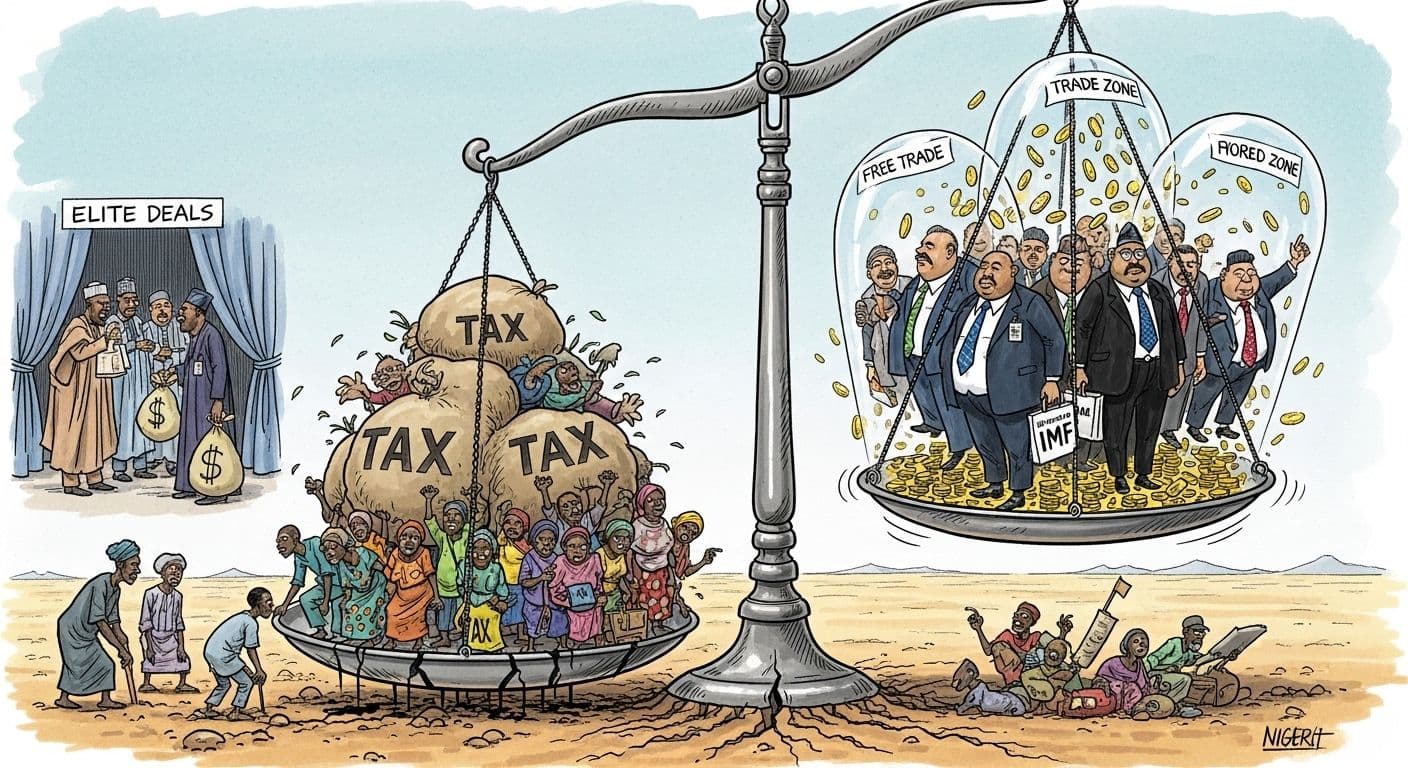
• Nigeria’s pushback. The Gani Fawehinmi Memorial Organization blasted President Tinubu’s draft tax law as a “recycled” IMF plan that would “punish the poor,” SaharaReporters writes. The group says corruption, not low tax, is the real leak.
Why It Matters: Crypto’s honeymoon with opacity is ending. Firms that fail to build reporting pipes now will face blocked bank rails later. At the same time, the Nigerian outcry shows that any new levy without a trust dividend will meet the street.
Around the Tax World
• AI in the audit room: 70 % of global tax chiefs already use generative AI to manage disputes, and 92 % expect more fights once OECD Pillar Two bites, an EY survey tells Accounting Times.
• China’s capital rethink: As outbound profits shrink, Beijing must “change fast” to keep foreign tax flows, argues Fair Observer. The risk: less cash for local provinces reliant on withholding tax.
• Retail vs. whales: The IRS crypto study shows self-prepared filers drove most of the reporting jump once the 1040 checkbox appeared, Bloomberg Tax notes. Visibility hits the little guy first.
By the Numbers
Prime Number: 92 %
That’s the share of tax execs who foresee more disputes once Pillar Two global minimum tax rules kick in, says EY. More rules, more fights.
Looking Ahead
All eyes are on May 2027, the first CARF filing deadline. All eyes are on Pillar Two dispute stats. All eyes are on Abuja, where the tax bill faces the court of public opinion. Firms that watch, wait, and hope will be firms that pay, later.